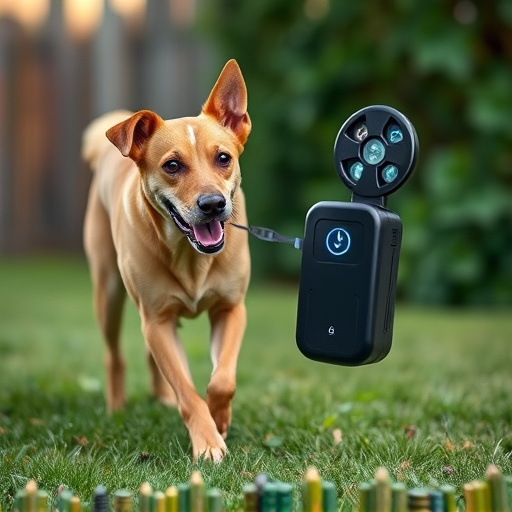
Electronic bark prevention devices offer humane solutions for dog behavioral issues, utilizing ultrasonic sound, vibration or spray technologies. As pet ownership trends evolve and urban areas become denser, there's a growing demand for safe, effective bark control methods. These gadgets cater to positive reinforcement training preferences and align with stricter Electronic Pet Deterrent Safety Regulations. To ensure safety and effectiveness, consumers should select approved products with adjustable settings, comply with regional regulations, and consider portability for convenient use in various environments.
“Unleash a quieter, more harmonious coexistence between pets and their owners with electronic bark prevention devices. This comprehensive guide, ‘Understanding Electronic Pet Deterrents: A Comprehensive Overview’, explores the rise of these innovative tools designed to curb excessive barking. From how they work to safety considerations under strict regulations, we demystify bark control electronics, helping you choose the perfect device for effective yet humane pet training.”
- Understanding Electronic Pet Deterrents: A Comprehensive Overview
- The Rise of Bark Prevention Devices: Why They're Gaining Popularity
- How These Devices Work: Unlocking the Technology
- Safety and Regulations: Ensuring a Human-Pet Harmony
- Choosing the Right Device: Factors to Consider for Effective Bark Control
Understanding Electronic Pet Deterrents: A Comprehensive Overview
Electronic pet deterrents, also known as bark prevention devices, are innovative tools designed to address behavioral issues in pets, particularly dogs. These handheld gadgets utilize various technologies, such as ultrasonic sound, vibration, or spray, to discourage unwanted actions like excessive barking. The primary goal is to teach pets alternative behaviors without causing harm or fear.
When considering electronic pet deterrents, it’s crucial to understand and adhere to safety regulations. Many countries and regions have specific guidelines for their use, focusing on human and animal welfare. These regulations ensure that such devices are effective, safe, and humane. Pet owners should research and choose products approved by relevant authorities, ensuring they meet the necessary safety standards for Electronic Pet Deterrent Safety Regulations.
The Rise of Bark Prevention Devices: Why They're Gaining Popularity
In recent years, there’s been a noticeable shift in pet ownership and the tools used to maintain it. The rise of bark prevention electronic handheld devices is testament to this evolving trend. As urban environments become more dense and pets increasingly integrate into our lives, finding safe, effective, and humane solutions to manage problematic barking has gained prominence. These devices offer a modern approach to addressing a common pet ownership challenge, filling a gap left by traditional methods that often relied on punishment.
The popularity of bark prevention devices is driven by both pet owners’ growing awareness of positive reinforcement training and stricter Electronic Pet Deterrent Safety Regulations. Modern dog parents are increasingly seeking tools that promote responsible pet care without causing harm or stress to their animals. As a result, these innovative gadgets are not only gaining traction in households but also receiving support from animal welfare organizations and experts who advocate for humane, non-lethal solutions to bark control.
How These Devices Work: Unlocking the Technology
These electronic pet deterrent devices work by emitting a harmless but unpleasant sound or vibration when a pet approaches or touches them. The technology behind these gadgets is quite innovative. They use sensors to detect movement and proximity, triggering a response that is designed to startle the animal without causing harm. The signals can be adjustable, allowing owners to customize the sensitivity and frequency of the deterrents based on their pets’ behaviors and preferences.
Safety regulations for electronic pet deterrents vary across regions, but many countries have strict guidelines to ensure they do not cause physical or psychological harm to animals. These devices must adhere to specific safety standards, often involving regular testing and certification, to guarantee their effectiveness while minimizing any potential risks. The technology continues to evolve, offering more sophisticated solutions for pet owners while maintaining a focus on animal welfare.
Safety and Regulations: Ensuring a Human-Pet Harmony
The development and use of electronic pet deterrents, like handheld devices aimed at preventing barking, come with a responsibility to prioritize safety and adhere to regulations. These tools should be designed with the well-being of both pets and humans in mind, ensuring they do not cause physical harm or distress. Proper testing and certification are crucial to guarantee their safety, effectiveness, and compliance with local laws governing pet control devices.
Regulations vary across regions, but many have specific guidelines for electronic pet deterrents to prevent misuse and ensure humane treatment. Users must understand these regulations to avoid legal repercussions and ethical concerns. By combining technological advancements with responsible practices, it’s possible to create effective solutions that promote harmony between humans and their pets while adhering to established safety standards.
Choosing the Right Device: Factors to Consider for Effective Bark Control
When selecting an electronic bark prevention device, several key factors come into play to ensure its effectiveness and safety. One crucial consideration is the device’s range and sensitivity. Look for a product that offers adjustable settings allowing you to set the activation distance and sensitivity level appropriate for your dog’s behavior. This ensures precise control without causing unnecessary discomfort or distress.
Another essential aspect is compliance with electronic pet deterrent safety regulations. Ensure the device meets industry standards and has undergone rigorous testing to guarantee its safety for both pets and humans. Additionally, consider the device’s portability and ease of use. A handheld design allows you to quickly respond to unwanted barking in any environment, making it a convenient tool for training and behavior modification.
Electronic pet deterrents, particularly bark prevention devices, are gaining traction as innovative solutions for managing canine behavior. By understanding how these technologies work and considering safety and regulatory aspects, pet owners can make informed decisions. When chosen wisely and used responsibly, these devices offer a humane and effective way to train pets, promoting harmony between humans and their furry friends while ensuring both safety and compliance with relevant regulations.